How to Choose the Right Website Design Solutions for Your Business
Why Website Design Matters More Than Ever
When I started my first small business back in 2016, I made the mistake of treating the website as an afterthought. I threw together a basic template, added some text, and called it done. Within six months, I realised how wrong I was. Visitors landed on the homepage, glanced around, and left. My bounce rate was brutal. I hadn't considered user experience, page speed, or even what happened when someone tried to view the site on a phone. That was a painful lesson, but it taught me something valuable: the right website design solutions can make or break your online presence.
Over the years, I have worked with dozens of businesses, from local coffee shops to ecommerce stores, and the pattern is always the same. The ones that invest time and thought into their site design see better engagement, higher sales, and stronger customer trust. The ones that rush it end up rebuilding within a year. If you are reading this because you are researching website design solutions for your own project, you have already taken the first smart step. Let me walk you through what I have learned about picking the right approach, the tools that actually work, and the mistakes to avoid.
Start With Your Goals, Not Your Preferences
Before you look at templates or hire a designer, ask yourself one question: what do I want this site to do? If you are running an online store, your priority is a smooth checkout flow and product pages that convert. If you run a service business, you need a clear path from landing page to contact form. If you publish content, your focus should be on readability and SEO.
Too many people start with visual preferences. They want a certain colour or a fancy animation, and they build the entire site around that. I have seen this backfire more times than I can count. A site that looks beautiful but loads slowly, confuses visitors, or fails on mobile will not help your business. Start with function, then layer on form. When you evaluate website design solutions, look for ones that let you prioritise performance and usability first.
Responsive Design Is Not Optional
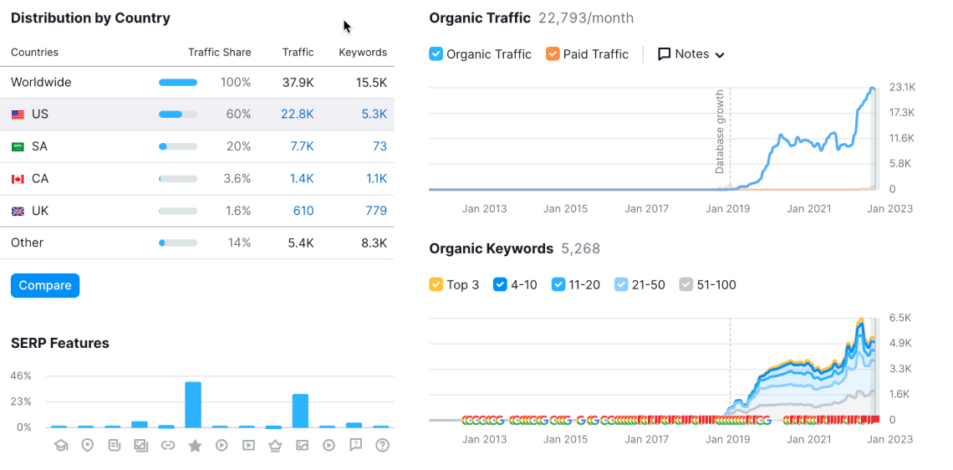
I remember checking a client's analytics a few years ago and noticing that over sixty percent of their traffic came from mobile devices. Their site was not optimised for smaller screens. Text was tiny, buttons overlapped, and the navigation menu was impossible to tap. That client lost sales every single day. Today, that scenario is even more common. Google now uses mobile-first indexing, meaning it looks at your mobile site first when deciding rankings. If your site does not work well on a phone, you are invisible.
Responsive design means your layout adapts to whatever screen size someone uses. It is not the same as having a separate mobile version. A responsive site rearranges itself fluidly, keeping the same content and structure. Most modern website design solutions, whether you use a CMS like WordPress or a builder like Wix, include responsive templates. But do not assume they are all good. Test them yourself. Resize your browser window, pull up the site on an actual phone, and navigate around. If anything feels clunky, keep looking.
Tools of the Trade: CMS, Builders, and Design Software
Over the years, I have worked with a range of platforms. Each has strengths and weaknesses, and the right choice depends on your technical comfort and long-term plans. WordPress remains my go-to for most projects because it offers deep control over SEO, user experience, and conversion rate optimisation. With the right hosting provider and a lightweight theme, you can build a fast, secure site that scales. But WordPress has a learning curve. If you just need a simple site quickly, Wix or Shopify might be better.
For design work, tools like Figma and Adobe XD let you prototype layouts before writing a single line of code. I use Figma for collaborative projects because clients can leave comments directly on the mockups. That saves time and prevents misunderstandings. If you are working with a developer, having a Figma file is far more efficient than describing what you want over email.
User Experience and the Science of Conversion
User experience is the invisible layer that separates a good site from a great one. It covers everything from how fast the page loads to where you place your call to action buttons. I once worked on a landing page redesign where we moved the call to action above the fold and changed the button colour from grey to orange. Conversion rate jumped by twenty-three percent. That kind of result is not magic. It is testing and iteration.
This is where A/B testing and heatmap tools become invaluable. With A/B testing, you show two versions of a page to different visitors and see which one performs better. Heatmaps show you where people click, scroll, and hover. I run these tests on almost every project. The data often surprises me. What I think will work and what actually works are rarely the same. Good website design solutions should give you the flexibility to run these experiments without rebuilding the site.
Page Speed, Security, and Hosting
One of the most overlooked aspects of web design is page speed. I have audited sites that took over six seconds to load. By the time the page appeared, most visitors had already left. Google considers page speed a ranking factor, and so do your customers. Compressing images, using a content delivery network, and choosing a fast hosting provider all matter.
Security is another non-negotiable. An SSL certificate encrypts data between your site and your visitors. Without it, browsers flag your site as not secure. That destroys trust instantly. Most hosting providers include an SSL certificate with their plans, but you should confirm that before signing up. A secure site is part of any complete website design solution, not an afterthought.
Content Management and SEO
Once your site is live, you need to keep it updated. A content management system makes that possible without needing a developer every time. WordPress is the most popular CMS for good reason. It has a massive library of plugins for SEO, analytics, and security. I also like that it separates content from design, so you can change your layout without rewriting your pages.
SEO starts with the structure of your site. Clean URLs, descriptive heading tags, and fast load times all contribute. Google Analytics is essential for tracking what works. I check it weekly to see which pages bring traffic, where visitors drop off, and how long they stay. That data feeds back into my design decisions. If a page has a high exit rate, I look at the layout, the call to action, and the content to figure out what needs to change.
Common Pitfalls to Avoid
- Choosing a template because it looks flashy, not because it performs well. Always test speed and usability.
- Ignoring mobile users. With mobile-first indexing, a poor mobile experience hurts both rankings and revenue.
- Overloading pages with too many calls to action. One clear goal per page works better than five competing options.
I have made all of these mistakes myself. The trick is to catch them early. If you are working with a designer or agency, ask to see their process for testing and optimisation. A good partner will have answers. A bad one will just show you pretty mockups.

Putting It All Together
Choosing the right website design solutions does not have to be overwhelming. Start with your goals, pick a platform that matches your skill level, prioritise responsive design and page speed, and commit to testing everything. Whether you use WordPress, Wix, Shopify, or a custom build, the principles are the same. Your site should load fast, work on any device, guide visitors toward a clear action, and be easy for you to update.
Every time I launch a new project, I run through the same checklist. Is the mobile experience smooth? Are the calls to action clear? Does the site load in under three seconds? Is there an SSL certificate? Can I track performance with Google Analytics? Those questions have saved me from launching sites that look good but fail where it counts. I hope they help you too.
Ends · CPGSGU6F27